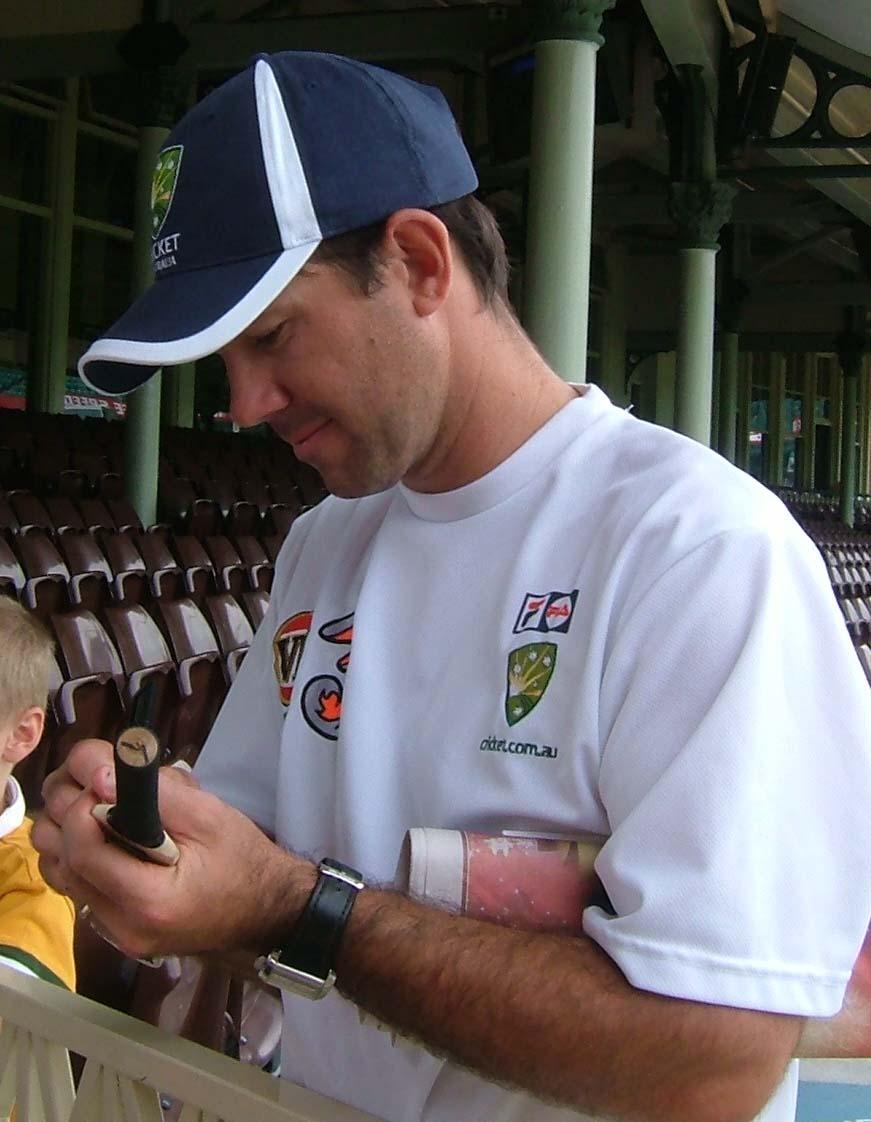
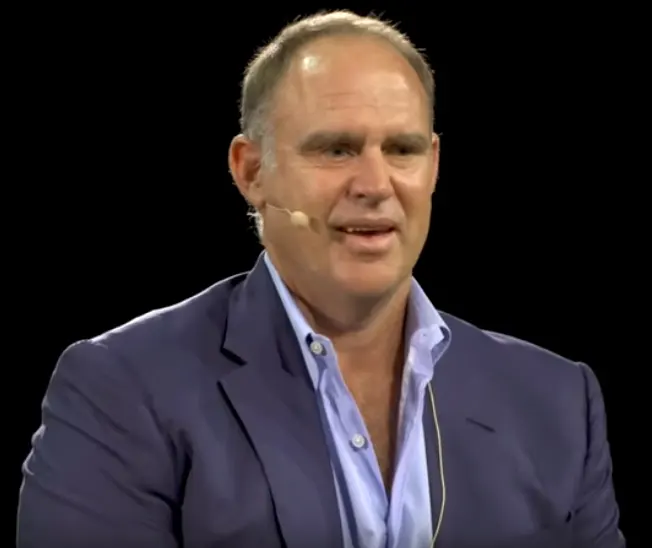
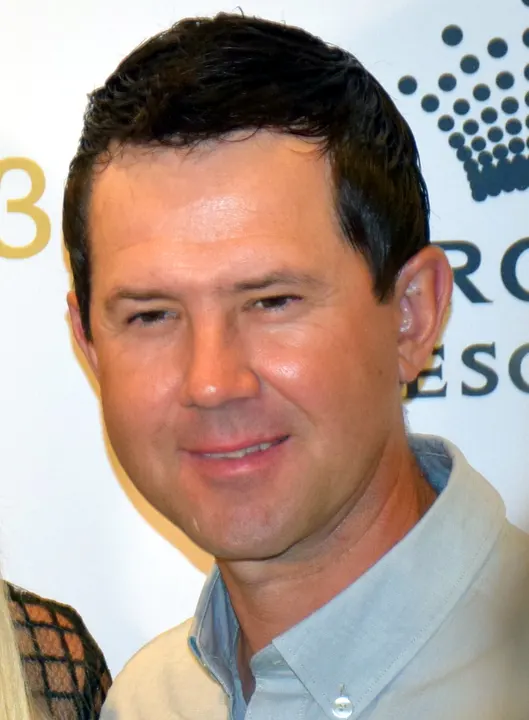
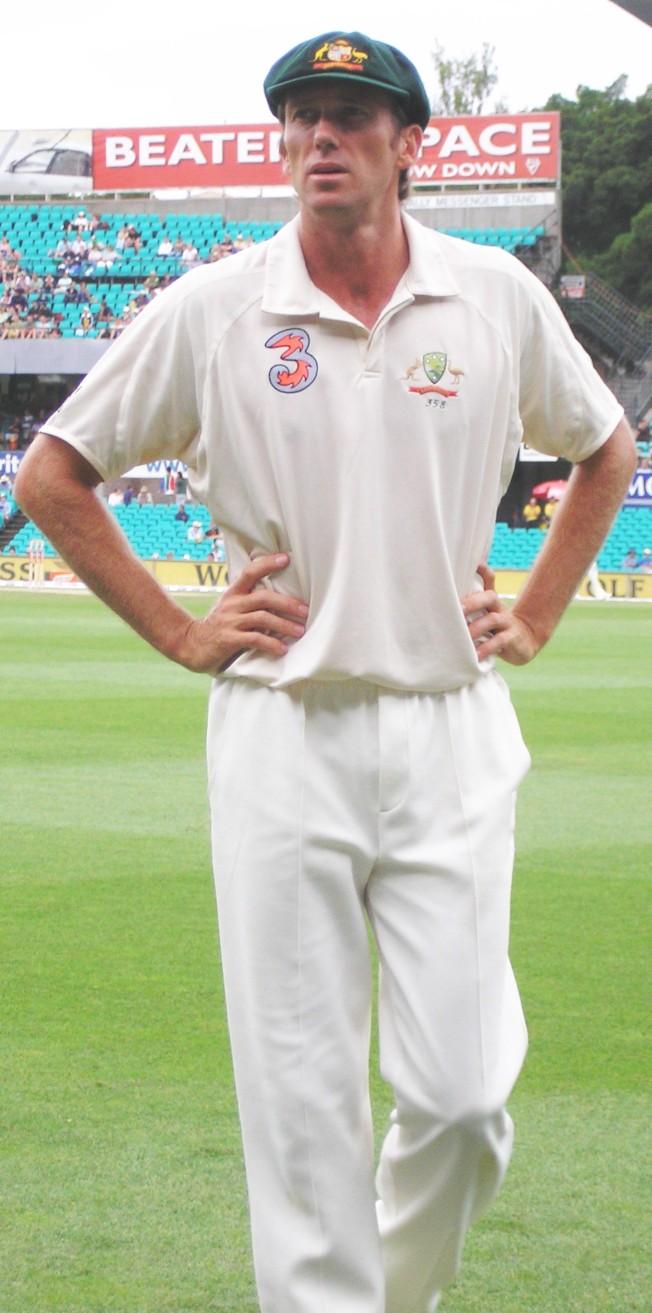
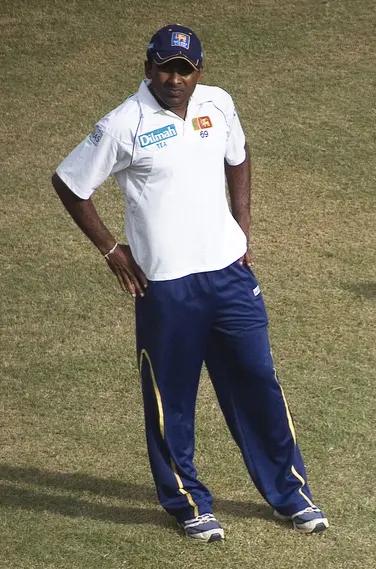
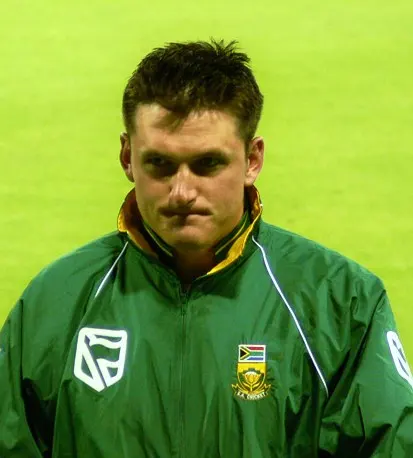
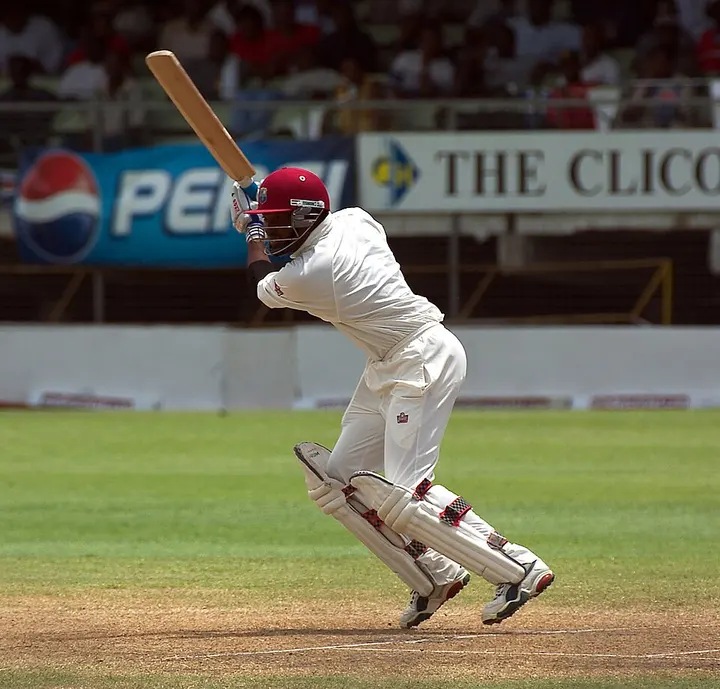
Australia, with Hayden, Ponting, Gilchrist, Warne and McGrath, won 16 Tests in a row until Kolkata 2001 stopped them. Kallis, Dravid, Sehwag, Sangakkara and Jayawardene piled up runs, Lara made 400, and England's 2005 Ashes win gave the decade its greatest series.
Named after Viv Richards and Ian Botham, Somerset team-mates and friends, this trophy replaced the Wisden Trophy after 2020 for Tests between West Indies and England.
Career figures, eras and great Tests are adapted from Wikipedia under CC BY-SA 4.0. Photos are credited on each picture. Videos belong to the boards and broadcasters that publish them. Our own scorecards start in December 2001. Credits & corrections
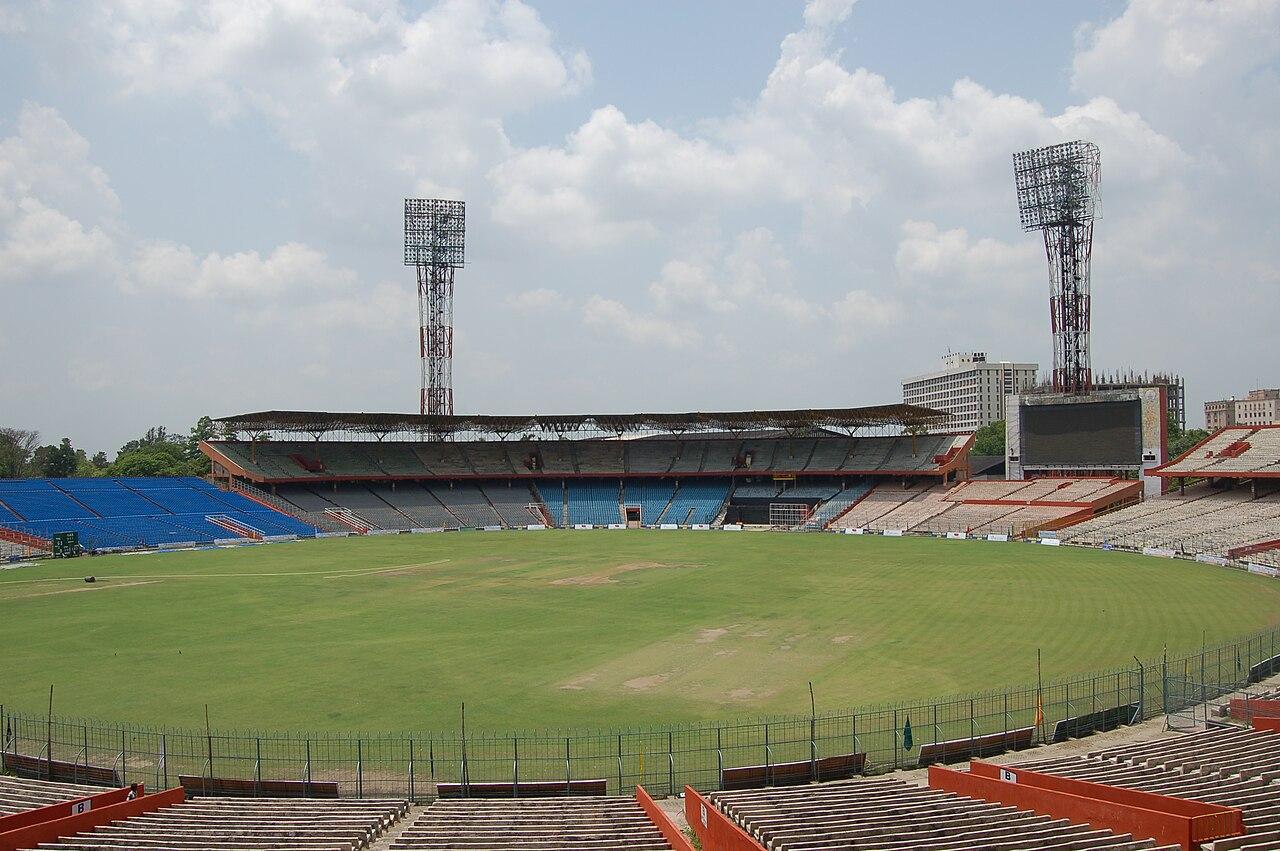
11 Mar 2001 · KolkataKolkata 2001: Laxman, Dravid and HarbhajanIndia won by 171 runs
Australia had won 16 Tests in a row and made India follow on. Laxman (281) and Dravid (180) added 376, then Harbhajan Singh, who took 13 wickets in the match including India's first Test hat-trick, bowled India to a famous win.
Set 418 to win by the best side in the world, West Indies recovered from 74 for 3 to win by three wickets, a record chase in Test cricket. Ramnaresh Sarwan made 105 and Shivnarine Chanderpaul stood firm with him.
The narrowest win in Ashes history. Australia's tail, led by Brett Lee's 43 not out, almost chased 282 before the last wicket fell. Flintoff took 4 for 79 and England levelled the series.
England declared on 551 for 6, with Paul Collingwood making 206, and still lost on the last day. The win set Australia on course for a 5-0 whitewash, the first in the Ashes since 1920-21.
Graeme Smith (108) and AB de Villiers (106 not out) led South Africa to 414 for 4, the second-highest successful chase in Tests. They went on to win the series.
Australia played James Lillywhite's England team at the Melbourne Cricket Ground. Charles Bannerman made 165, the first Test hundred, and Australia won by 45 runs.
1882
Early days
The Ashes are born
The Ashes rivalry and its little urn date from England's 1882-83 tour of Australia, the first series fought for the Ashes.
1932
Early days
Bodyline
Douglas Jardine's England used fast leg theory, short bowling at the body with a packed leg-side field, to curb Bradman in 1932-33. It won the Ashes and nearly broke the relationship between the two countries.
1934
Early days
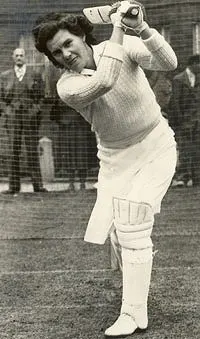
Women play their first Test
England beat Australia by nine wickets at Brisbane's Exhibition Ground in the first women's Test.
1939
Early days
The last timeless Test
England and South Africa played at Durban over twelve days with nine days of play, then called it a draw so England would not miss the boat home. Tests with no time limit were never scheduled again.
1950
Post-war
Five days becomes the norm
From 1950 Tests were scheduled for five days, with only a handful of exceptions, giving the format the shape fans know today.
1960
Post-war
The first tie
Australia and West Indies tied in Brisbane, the first tie in Test history. The series is remembered for reviving Test cricket's appeal.
1977
1970s and 80s: when West Indies pace ruled
World Series Cricket
Kerry Packer signed many of the world's best players for his own competition from 1977 to 1979. Six Supertests were played alongside one-day games, including the first day-night matches.
1977
1970s and 80s: when West Indies pace ruled
Helmets arrive
Helmets came into common use in the 1970s, first seen in World Series Cricket, with England's Dennis Amiss among the first to wear one regularly. Viv Richards famously never did.
1984
1970s and 80s: when West Indies pace ruled
The 'blackwash'
West Indies beat England 5-0 in England in 1984, still the only time England have lost every Test of a home series of that length.
1992
The 90s
TV replays and the third umpire
Television replays were first used for a Test decision at Kingsmead, Durban, in November 1992. Sachin Tendulkar became the first batter given run out by the third umpire.
2006
2000s: the Australian dynasty
Warne reaches 700
In the Boxing Day Test at the MCG in 2006, his penultimate Test, Shane Warne bowled Andrew Strauss to become the first bowler to take 700 Test wickets.
2009
2000s: the Australian dynasty
The Decision Review System
Player referrals were first tested in an India v Sri Lanka series in 2008. The ICC launched the Decision Review System officially on 24 November 2009, in a Test between New Zealand and Pakistan in Dunedin.
2010
2010s: Steyn, Anderson and the Fab Four
Murali's 800
On 22 July 2010, with the final ball of his last Test, Muttiah Muralitharan took his 800th wicket, the most in Test history.
2013
2010s: Steyn, Anderson and the Fab Four
200 Tests
Sachin Tendulkar played his 200th and final Test at the Wankhede Stadium in Mumbai in November 2013.
2015
2010s: Steyn, Anderson and the Fab Four
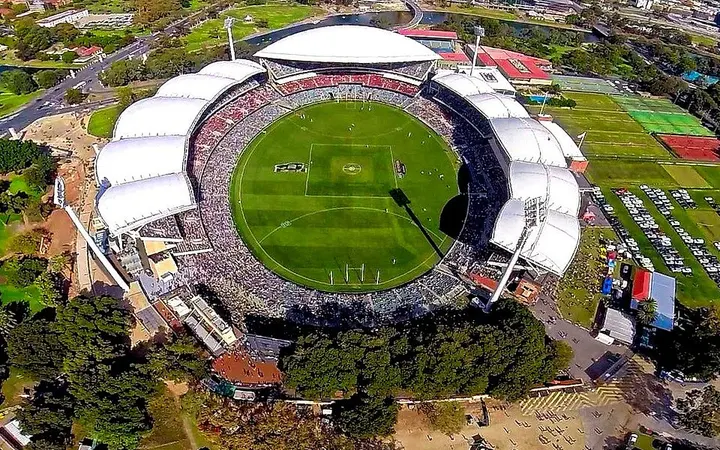
The first day-night Test
Australia and New Zealand played the first day-night Test, with a pink ball, at the Adelaide Oval. Australia won by three wickets.
2017
2010s: Steyn, Anderson and the Fab Four
Women's Tests go under lights
The Women's Ashes Test at North Sydney Oval was the first women's Test played as a day-night match.
2018
2010s: Steyn, Anderson and the Fab Four
Ireland and Afghanistan join
Granted Test status in June 2017, Ireland played their first Test against Pakistan in Dublin in May 2018, and Afghanistan theirs against India in Bengaluru in June 2018, taking Test cricket to 12 teams.
2019
World Test Championship era
The World Test Championship
Tests began to count towards a world title with the 2019 Ashes, which started on 1 August 2019. New Zealand beat India in the first final at Southampton in June 2021.
2024
World Test Championship era
A fast bowler reaches 700
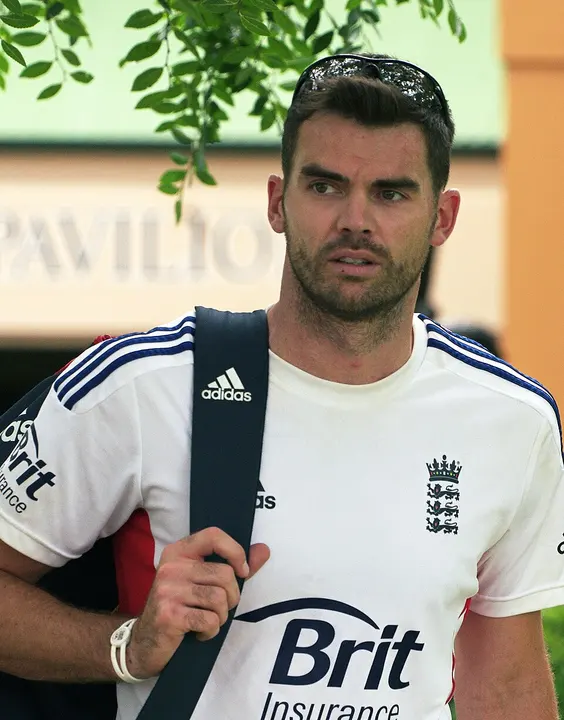
In March 2024 James Anderson became the first fast bowler to take 700 Test wickets.